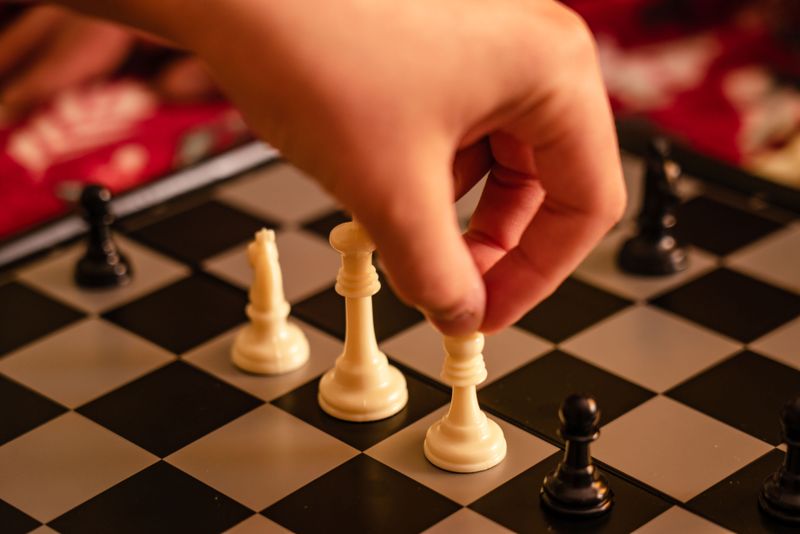
Delayed flags and video review removed the instant reward that made stepping up worthwhile, and defensive lines quietly dropped.
The offside trap died the day the flag stayed down
The trap only ever worked because of the immediate whistle. Step up, the arm goes across, play stops, and the risk of the whole manoeuvre is capped at the moment of the decision. Take that away and you are asking four defenders to run twenty metres upfield on a shared guess with no safety net.
That is what has happened. Officials are now instructed to keep the flag down and let a tight passage play out so that review can settle it afterwards, which is correct for accuracy and quietly devastating for anyone who wants to defend high. The striker runs through. The goalkeeper has to make the save. The defenders have to sprint back at full speed in case the decision goes the other way. All of that physical and psychological cost is incurred even when the offside is eventually given.
So defences have adjusted the only way they can, which is by leaving themselves half a yard more margin. That is the real reason lines sit fractionally deeper than they did, and it is more explanatory than any change in coaching fashion. A defender who steps up now pays for being right.
Semi-automated technology sharpens the tolerance further. Margins that used to be waved away as a matter of a shoulder are now adjudicated precisely, which is fine, except it means the trap is being run against a standard no human line can control, since the difference between success and a goal is now measured in a distance smaller than a defender's stride.
I am not arguing against accurate decisions. I am arguing that we changed the risk profile of one of football's oldest defensive tools and then discussed the consequences as though they were about attitude.
You can see the consequence in where goals now come from. A deeper line invites the shot from distance and the cut-back from the byline rather than the ball over the top, and the ball over the top has quietly become a specialist weapon used against the few teams still brave enough to hold a line at halfway. Those teams are admired for it, which tells you how rare it has become.
Nobody teaches the trap any more because the game stopped paying for it.
Related Articles